Understanding Digital Transformation
Moving on a digital transformation journey is not just about adopting new technologies but about rethinking how your organization operates in the domain and market segment. It requires a clear vision, strong leadership, and a culture that embraces this new digital change. By following a structured framework, you can navigate this complex process and achieve sustainable growth and innovation, but there is not fit for all size model available to support that.
Digital transformation is the process of integrating digital technologies into all areas of a business, fundamentally changing how you operate, new market positioning which can deliver value to customers. It’s a cultural shift that requires organizations to challenge the status quo, experiment, learn and get familiar with failure. Most of digital transformation initiative fails as COO/CEO thinks as automating process, bringing new technology will make them competitive and at par with industry standards. But if we are not able to achieve the operational excellence, add new revenue streams, new customer’s etc. which brings value will often fails.
Why is Digital Transformation Important?
What does digital transformation mean to the enterprise? The answer depends on which business leader you ask.
Many occupants of the C-suite view digital through their own functional lenses. For example, the CMO is concerned with the application of technologies to fine-tune Omni channel customer engagement and create brand-differentiating customer experiences.
The COO emphasizes the internet of things (IoT) to drive efficiencies in the supply chain and business operations, while the CFO focuses on process automation and block chain for controlling costs and managing revenues.
So there are concepts which has some relationship of what we are trying to achieve so if relationship is aligned organization strategic needs that that concept will lead to digital initiative.
Digital transformation is important because it allows businesses to adapt to the rapidly changing market conditions and customer expectations.
It enhances below
- operational efficiency
- improves customer experiences
- opens up new revenue streams
Starting Your Digital Transformation Journey
Digital transformation is the rewiring of an organization, with the goal of creating value by continuously deploying tech/digital tools at scale. A clear digital transformation strategy focused on specific domains and enabled by a set of specific capabilities is critical for organizations to not only compete but survive. Digital transformations are not a one-and-done project; most executives will be on this journey for the rest of their careers.
- Assess Your Current State: Understand the current organisation state, digital maturity and identify gaps and customer pain points which need improvement.
- Define Your Vision and Strategy: Focus on what as an enterprise you want to achieve with digital transformation. Is it binging new technology will do ease of doing business or make your offering more competitive or will enhance customer experience. This vision should align with your overall business goals.
- Engage Leadership and Stakeholders: Make sure leadership commitment is top priority and they board understand that organisation has to move to that journey. If that is achieved a strong team can be created to move ahead with this transformation journey.
- Build a Digital Culture: Biggest challenge organisation face is resistance to change by bringing new technologies in the system, so if we can foster a culture that embraces change, encourages innovation, and supports continuous learning will help us to transform faster. Leadership and stakeholder’s engagement can help to make this happen.
- Invest in the Right Technologies: Choose technologies that align with your strategic goals. When cloud revolution started every organisation have started moving to cloud without understanding if it adds any transformation value to their business rather than just focusing on adapting what is best available. So technology selection such as AI, cloud computing, IoT etc. are expensive and takes time to get implemented to get results so it has to be selected with care.
- Implement Agile Methodologies: Use agile methodologies to allow for flexibility and quick iterations. This helps in adapting to changes and continuously improving processes.
Below Few Frameworks for Digital Transformation you can refer to start this journey:-
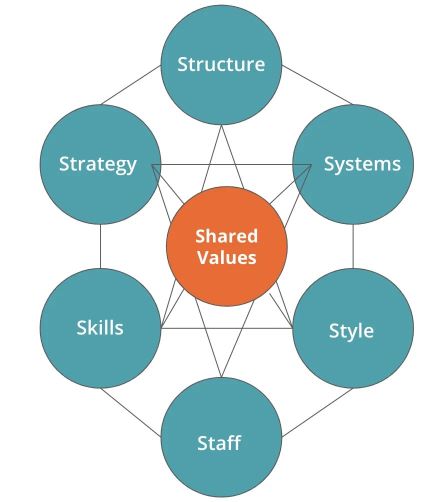
- The McKinsey 7S Framework: Focuses on seven key elements: strategy, structure, systems, shared values, style, staff, and skills.
- The DaWoGoMo model is a comprehensive framework used to guide digital transformation within organizations. It focuses on four key drivers: Digital Architecture, Work, Governance, and Business Model Transformations.
- The 4 Pillars Framework: Emphasizes IT uplift, digitizing operations, digital marketing, and new ventures.
- The Digital Transformation Framework by Accenture: Highlights the importance of a holistic approach, integrating technology, data, processes, and organizational change.
- Appian’s Digital Transformation Framework: Provides a structured plan for strategic upgrades to core systems and processes.
#DigitalTransformation #TechInnovation #BusinessGrowth #Leadership #DigitalStrategy #ChangeManagement #TechAdoption #BusinessInnovation #DigitalCulture #FutureOfWork #TechTrends #DigitalJourney #BusinessStrategy #DigitalLeadership #TechIntegration #OperationalExcellence #CustomerExperience #NewRevenueStreams #DigitalShift #TechRevolution